
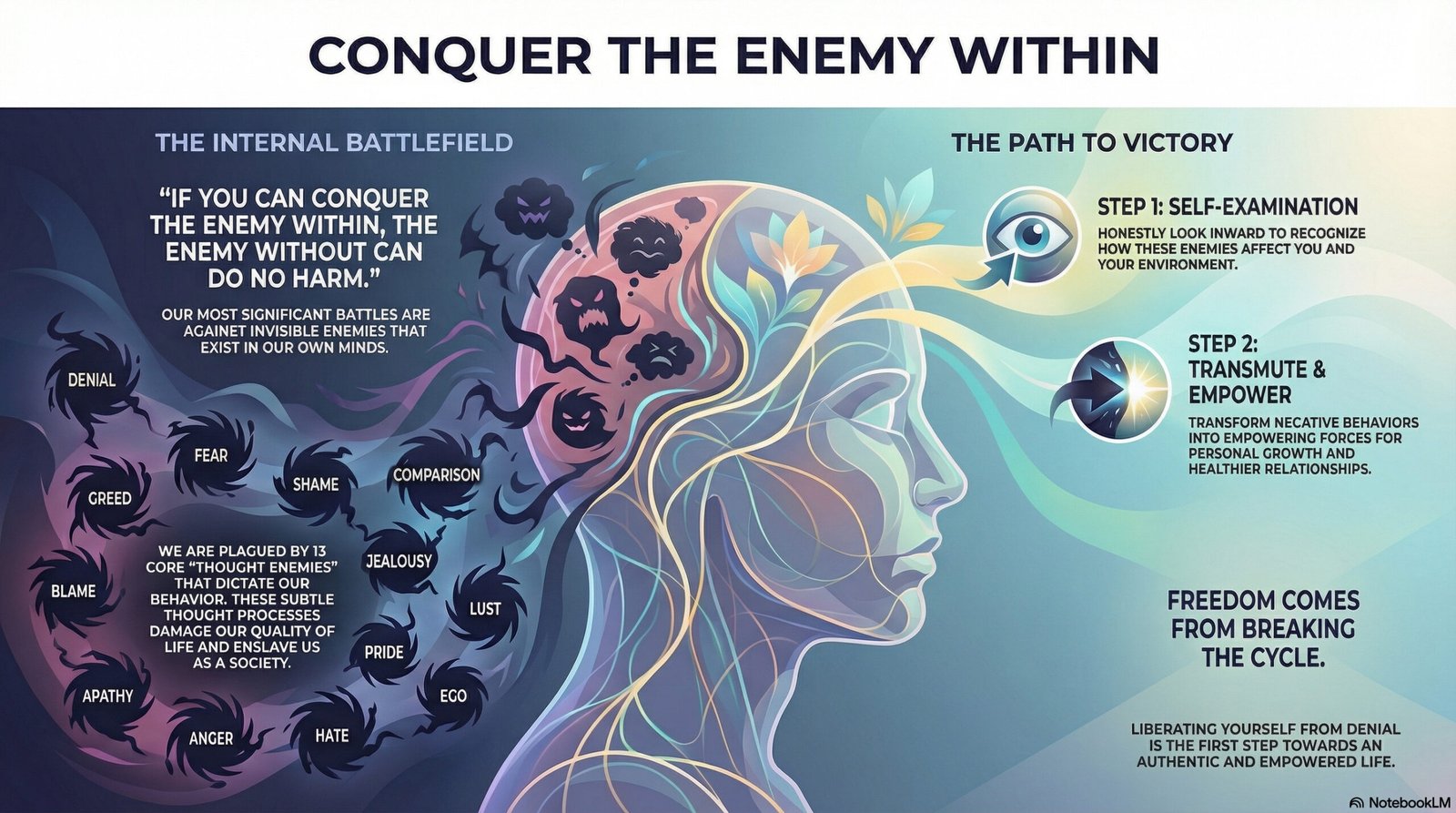

What is Denial?
Denial is a psychological defense mechanism whereby individuals avoid confronting painful truths or realities that may cause them emotional distress. It is important to clarify that denial is not merely a character flaw or a sign of weakness; rather, it is a complex and often necessary coping strategy employed by individuals to shield themselves from overwhelming feelings of fear, inadequacy, or anxiety. By denying the existence of a problem or the reality of a situation, people can create a temporary refuge from emotional turmoil.
Denial can manifest in various forms, often existing on a spectrum ranging from conscious denial, where an individual is aware of their refusal to acknowledge certain truths, to unconscious denial, where the individual may not recognize their own avoidance behaviors. For instance, someone who is struggling with addiction may deny the impact of their substance use on their life, refusing to accept the need for help, despite clear evidence of consequences.
This mechanism serves as a crucial coping tool, particularly in times of crisis or significant life changes. When faced with trauma, loss, or unmanageable stress, there is a tendency for individuals to default to denial as a means of maintaining a semblance of control. It allows them to navigate through uncomfortable emotions without fully engaging with them, hence providing a temporary sense of relief.
However, while denial can be protective in the short term, prolonged denial can lead to more severe psychological and emotional issues as unresolved problems fester beneath the surface. Ultimately, understanding denial as a coping mechanism can help in recognizing its role and implications in mental health, allowing individuals and their loved ones to address underlying issues more effectively.
The Origin of Denial
Denial as a psychological defense mechanism emerges from the intricate interplay between individual experiences and external pressures, predominantly within familial and societal contexts. In many cases, individuals develop denial as a coping strategy in response to adverse experiences encountered during childhood. For example, children occasionally find themselves in environments where parental neglect or unavailability creates a profound sense of insecurity and abandonment. In such scenarios, denying the reality of neglect may serve as a self-protective tactic, allowing them to shield themselves from emotional pain and maintain a semblance of stability in their turbulent lives.
Moreover, the influence of societal expectations cannot be understated. Individuals often feel immense pressure to conform to social norms, which can conflict with their personal experiences. For instance, societal ideals regarding success, happiness, and familial relationships can create unrealistic benchmarks. When individuals cannot meet these standards, they may resort to denial as a way of coping with their perceived shortcomings. This defensive mechanism enables them to dismiss uncomfortable realities, thereby preserving their self-esteem and protecting their psychological well-being.
The intertwining of familial neglect and societal pressures contributes to a complex dynamic wherein denial becomes a prevalent psychological strategy. In environments where expressing vulnerabilities is stigmatized or deemed unacceptable, individuals may further entrench themselves in denial to avoid facing the emotional repercussions of their circumstances. As they grow and encounter new challenges, this pattern of denial can manifest in various forms, impacting relationships and overall psychological health.
The origins of denial underscore the crucial role that both early experiences and societal influences play in shaping an individual’s psychological defenses. Understanding this origin can provide valuable insights into the necessity of addressing these underlying factors in order to assist those struggling with the pervasive effects of denial throughout their lives.
Familial Neglect and Denial
Familial neglect, whether emotional or physical, can significantly contribute to the development of denial as a psychological defense mechanism. When children grow up in an environment where their emotional needs are not met, they often resort to suppressing their emotions to cope with the pain of neglect. This suppression serves as an immediate response to protect oneself from hurtful realities that they may not be equipped to handle.
For instance, a child experiencing neglect may learn to deny the validity of their feelings. They might perceive parental indifference or emotional unavailability as a normal aspect of life. This perception leads them to internalize their distress, convincing themselves that their emotions are unwarranted or exaggerated. Consequently, these children may develop a habit of repressing their needs and feelings, avoiding confrontations or discussions that could expose the neglect they endure.
Moreover, this pattern can create a cycle where the child becomes increasingly detached from their emotions. As they grow older, they might find it difficult to express their needs within relationships, leading to further emotional isolation. This ongoing disconnection can potentially manifest in various ways, including an inability to acknowledge personal failures or an avoidance of responsibilities. The individual may adopt behaviors that reinforce denial, prioritizing appearances over authentic experiences.
Such behaviors can hinder personal growth and relationship development in adulthood. Individuals may become trapped in a cycle of denial, repeatedly avoiding the truth about their emotional experiences. As these patterns persist, it becomes essential for those affected to seek therapeutic interventions to address their underlying issues. By working through these feelings, they can begin to reconcile the impact of familial neglect and cultivate healthier emotional responses and relationships in the future.
Societal Suppression of Authenticity
The impact of societal norms and pressures on individual behavior cannot be overstated. Many individuals are compelled to conform to these norms, leading to the development of what can be described as a “false self.” This phenomenon occurs when a person prioritizes external acceptance over internal authenticity, often resulting in a disconnection between one’s public persona and innate identity. The societal expectation to conform to certain standards—be they related to success, appearance, or behavior—can drive individuals to adopt characteristics and attitudes that do not genuinely reflect their true selves.
The consequence of this mimicry is multifaceted. Primarily, it serves as a protective mechanism, allowing individuals to avoid confrontation with their authentic selves. This denial can manifest as a defense against the anxiety and fear that accompany the realization that their true identity may not align with societal expectations. In essence, by adopting a false self, individuals may believe they are safeguarding themselves from judgment or rejection, while in reality, they are often exacerbating their internal conflicts.
This dynamic becomes particularly pronounced in environments that place significant emphasis on conformity. Individuals may feel pressured to suppress their genuine thoughts, emotions, and desires in favor of a more socially acceptable façade. Over time, this suppression can lead to increased feelings of alienation and loneliness, prompting a reliance on denial as a coping strategy to evade the discomfort associated with their conflicted identities.
Moreover, the longer individuals maintain their false selves, the more entrenched these patterns become, leading to a cycle of denial that can be difficult to escape. The societal suppression of authenticity fosters an environment where individuals feel they must choose between societal approval and personal truth, ultimately contributing to a pervasive culture of disconnect.
How Denial Manifests
Denial is a complex psychological defense mechanism that can manifest in various aspects of life, significantly influencing behavior, decision-making, and interpersonal relationships. One common way denial appears is through the rationalization of bad behavior. Individuals may justify or excuse their actions, particularly when those actions are harmful or destructive. For example, a person who frequently engages in excessive drinking may proclaim that they are merely socializing with friends, effectively downplaying the severity of their drinking problem. This form of denial allows them to avoid confronting the negative consequences of their addiction.
Additionally, denial often surfaces as ignoring problems altogether. This can be particularly evident in situations involving health-related issues. For instance, someone experiencing symptoms of a serious illness may choose to ignore them, convincing themselves that they are simply temporary or insignificant. This form of denial can lead to dire consequences, as it prevents individuals from seeking necessary medical attention or making lifestyle changes that could improve their well-being.
Moreover, emotional numbness represents another manifestation of denial where individuals may shield themselves from experiencing painful emotions. For instance, someone grieving the loss of a loved one might suppress their feelings, insisting they are “fine” when, in reality, they are struggling to cope. This form of denial can hinder the grieving process and extend the emotional turmoil experienced by the individual.
Overall, denial can take many forms, impacting various facets of life. From rationalizing harmful actions to ignoring pressing problems and exhibiting emotional numbness, these manifestations highlight the diverse ways individuals may evade reality. Recognizing these signs is crucial for addressing the underlying issues and seeking help when necessary.
The Consequences of Denial
Denial as a psychological defense mechanism can have profound consequences on an individual’s mental health and personal growth. When a person employs denial, they consciously or unconsciously refuse to acknowledge unpleasant truths, feelings, or realities. This ongoing suppression of emotions can give rise to significant mental health challenges, including anxiety and depression.
One of the most immediate impacts of denial is the avoidance of issues that require attention. When individuals deny their problems, they often find themselves stuck in a cycle of avoidance. This can lead to a buildup of unresolved emotions, which may manifest as heightened feelings of anxiety. For example, someone who denies feelings of grief may find that their anxiety increases as their unresolved sorrow accumulates. This cycle perpetuates a sense of distress and discomfort, ultimately hindering the individual’s ability to cope effectively with real-life challenges.
Additionally, the effects of denial can create a sense of isolation. As individuals choose to ignore their problems, they may distance themselves from supportive relationships and social interactions. This isolation exacerbates feelings of loneliness, further diminishing their mental well-being. When individuals are unable or unwilling to discuss their struggles, they miss out on opportunities for connection and healing, which can be crucial for emotional recovery.
Furthermore, prolonged denial can impede personal growth. The inability to confront and process one’s feelings or to accept certain truths can stall an individual’s development. As people neglect self-reflection and self-awareness, they may become trapped in unhealthy patterns of behavior, limiting their potential for growth and self-improvement.
In conclusion, while denial may provide temporary relief from discomforting truths, the long-term consequences are detrimental to mental health and personal evolution. Recognizing and addressing denial is essential to fostering emotional resilience and promoting overall well-being.
Overcoming Denial
Denial, as a psychological defense mechanism, is often an automatic response to protect oneself from uncomfortable truths. It can manifest in various aspects of life, including relationships, health, and personal growth. Recognizing and addressing denial is a crucial step toward achieving personal well-being. When individuals confront their denial, they become more receptive to reality, which allows for healing and transformation.
One practical step in overcoming denial is self-reflection. Setting aside time for introspection can help individuals identify patterns in their thoughts and behaviors that may indicate denial. Keeping a journal can aid in articulating feelings and experiences, allowing for a greater understanding of the underlying issues. This process encourages acknowledgment of emotions that may be troubling but need to be confronted.
Another important strategy is seeking feedback from trusted friends or family members. Often, those close to us can observe behaviors and patterns that we might overlook. Open dialogues about feelings and perceptions pose a potential eye-opener, prompting individuals to reconsider their stance on various matters. This dialogue can provide the external support necessary to begin confronting painful truths.
Professional guidance can also be invaluable in overcoming denial. Psychological counseling or therapy offers individuals a structured environment in which to explore their thoughts and behaviors safely. A professional can provide techniques tailored to the individual’s unique circumstances, helping them to challenge disorienting beliefs and cope with difficulties in a structured manner.
Finally, practicing mindfulness can significantly aid in this journey. Mindfulness encourages individuals to be present and aware of their thoughts without judgment. Regular mindfulness exercises, such as meditation or deep breathing, can assist in cultivating a mindset that is open to accepting reality, rather than escaping it. These strategies collectively create a pathway for individuals to move beyond denial and foster healthier coping mechanisms.
Transforming Denial into Empowerment
Recognizing denial as a psychological defense mechanism is the first step toward personal empowerment. Denial often serves as a refuge from uncomfortable feelings, allowing individuals to avoid confronting painful truths. However, embracing the reality behind denial can catalyze powerful transformation in one’s life. By acknowledging the situations or emotions one has been denying, individuals can begin their journey toward empowerment.
One effective method for transforming denial is to channel pain into motivation. Acknowledging and confronting one’s challenges can evoke a profound sense of clarity and purpose. This clarity can foster a desire to enact change, driving individuals to take proactive steps towards their goals. For instance, individuals who recognize their struggles may be motivated to pursue personal development opportunities or engage in supportive communities that align with their aspirations.
Moreover, embracing vulnerability is crucial in transforming denial into empowerment. When individuals allow themselves to be vulnerable, they open the door to authentic connections and a deeper understanding of their experiences. This process often requires individuals to confront their fears and insecurities, paving the way for deeper emotional healing. Vulnerability can lead to the discovery of inner strength and resilience, enabling individuals to face adversity with newfound courage.
Building resilience is another essential component of this transformation. Resilience is cultivated through consistent efforts to confront challenges rather than evade them. Individuals can develop coping strategies that help them navigate difficulties, and as they do so, they strengthen their ability to bounce back from setbacks. Additionally, setting realistic goals is vital in this journey. By establishing clear and attainable objectives, individuals can measure their progress, maintain motivation, and reinforce their sense of agency.
Through these transformative processes, recognizing denial can lead to profound personal empowerment, allowing individuals to create a life aligned with their values and aspirations.
Conclusion: The Path to Authenticity
Facing denial is an essential aspect of fostering personal growth and achieving a deeper understanding of oneself. When individuals confront the truths that they have been avoiding, they pave the way toward a more fulfilling and authentic life. Denial acts as a barrier, obscuring our perceptions and limiting our ability to fully engage with reality. By acknowledging the feelings and thoughts that arise from denial, we empower ourselves to take meaningful steps towards emotional liberation.
Furthermore, the acceptance of truths that may be uncomfortable or challenging can lead to profound transformations. When we stop evading the truths of our experiences, we open doors to healthier relationships, increased resilience, and enhanced well-being. It encourages self-reflection and introspection, guiding individuals towards a path where they can pursue their goals with clarity and purpose.
Living an authentic life requires courage—the courage to face uncomfortable emotions, thoughts, and situations. As individuals confront their denial, they often discover a sense of peace, as well as a newfound connection with themselves and those around them. This journey may involve seeking support from friends, family, or professionals who can provide insight and encouragement. Ultimately, embracing vulnerability and honesty can dismantle the self-deception that denial fosters, leading to greater fulfillment.
In conclusion, the journey towards authenticity is significantly enriched by the act of facing denial. By embracing the truth, we not only liberate ourselves from the confines of self-deception but also step into a life that is rich with possibilities, personal growth, and deeper connections with others. It is in this authenticity that we truly thrive.