

What is Denial?
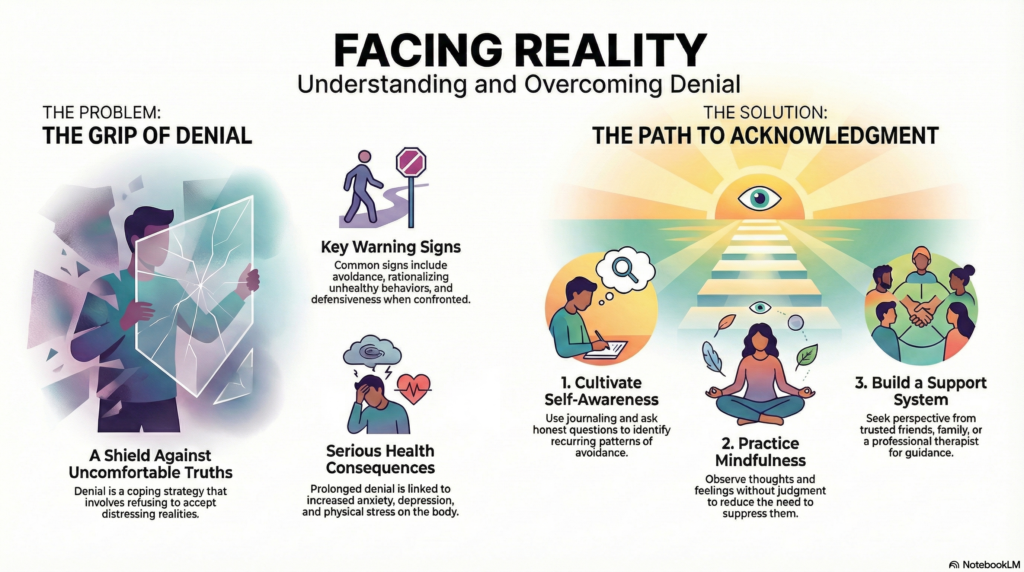
Denial is a psychological defense mechanism utilized by individuals to protect themselves from uncomfortable truths or distressing realities. It serves as a coping strategy, enabling people to ward off anxiety or fear by refusing to accept aspects of their situation, emotions, or experiences. By denying certain truths, individuals are often able to maintain a sense of control in otherwise overwhelming circumstances. This self-deception can manifest in various forms, including outright refusal to acknowledge a problem, rationalizing unhealthy behaviors, or minimizing the severity of a situation.
In the realm of psychology, denial can present in both conscious and unconscious forms. At times, an individual may consciously choose to ignore a problem, such as opting not to confront the reality of an addiction. Conversely, unconscious denial may involve a person being unable to recognize significant emotional responses linked to a traumatic experience. This phenomenon is indicative of the mind’s inclination to shield itself from potential emotional harm.
Denial can also surface in cognitive, emotional, and behavioral patterns. Cognitively, individuals may rationalize their actions or experiences, leading them to form a skewed perception of reality. Emotionally, denial can manifest as a numbness to feelings associated with personal loss or failure. Behaviorally, a person may engage in avoidance strategies, such as neglecting responsibilities or distancing themselves from loved ones.
Overall, recognizing the presence of denial is crucial for individuals seeking to engage in self-reflection and personal growth. It is the first step toward unearthing underlying issues and confronting the truths that can propel a person toward healing and resolution. As we further explore this topic, understanding the nuances and implications of denial will be vital in addressing its effects on mental health and relationships.
Why Do People Engage in Denial?
Denial is a complex psychological defense mechanism that individuals may resort to in order to cope with distressing realities. One of the primary reasons people engage in denial is the fear of facing uncomfortable truths. Acknowledging painful situations, such as the loss of a loved one, a serious health issue, or the end of a relationship, can be emotionally overwhelming. By denying these realities, individuals protect themselves from the immediate distress that acknowledgment may bring. This avoidance can offer temporary relief, making denial feel like a viable coping strategy in the short term.
Additionally, anxiety plays a significant role in the tendency to fall into denial. When individuals are faced with situations that elicit high levels of anxiety, such as financial problems or work-related stress, they may prefer to ignore the issue entirely rather than confront the associated fears. This avoidance can lead to a cycle where unaddressed problems become more significant over time, leading to deeper psychological distress.
Trauma is another critical factor that contributes to denial. Individuals who have experienced traumatic events may find it necessary to deny the reality of those experiences to protect their mental health. Engaging in denial allows them to create a buffer against the overwhelming emotions associated with the trauma. Furthermore, societal pressures can exacerbate denial; cultural norms often discourage open discussion about certain topics such as mental health, addiction, or personal failures, leading individuals to deny or minimize their challenges to conform to social expectations.
In summary, the engagement in denial can be attributed to a combination of psychological, emotional, and social factors. Understanding these underlying reasons is essential for recognizing the need for change and facilitating healthier coping mechanisms.
The Impact of Denial on Mental Health
Denial is a psychological defense mechanism that allows individuals to dismiss or refuse to accept painful realities or emotions. While it may provide short-term relief, its prolonged presence can contribute significantly to poor mental health outcomes. One of the most alarming consequences of continued denial is the escalation of anxiety. When one avoids confronting the root causes of stress or discomfort, the unresolved issues often manifest as overwhelming feelings of worry and dread. This, in turn, can create a cycle where anxiety leads to further avoidance, thereby reinforcing the denial.
Moreover, denial is closely linked with depression. Individuals who remain steadfast in denying their feelings or circumstances may gradually find themselves in a deepened state of sorrow or hopelessness. This can stem from the cumulative weight of unacknowledged emotions, leading to feelings of disconnection from oneself and others. The inability to process and accept one’s reality can rob individuals of the opportunity to experience joy, fulfillment, and authentic relationships, as they become trapped in their own mental constructs.
Additionally, the physical health implications of denial cannot be overlooked. The stress associated with unresolved psychological conflicts can result in a myriad of physical issues, including fatigue, sleep disturbances, and increased susceptibility to illness. As the mind struggles to cope with the denial of reality, it places a strain on the body, illustrating the profound interconnectedness of mental and physical health.
The act of confronting denial is essential for reclaiming one’s mental well-being. Addressing these issues head-on can pave the way for healthier coping mechanisms, improved outlook, and overall better quality of life. It is crucial to recognize the dangers of denial to foster a proactive approach to mental health care.
Examples of Denial
Denial is a psychological defense mechanism that often leads individuals to avoid confronting uncomfortable truths about their lives. This coping strategy can manifest in various areas, affecting personal relationships, health, substance abuse, and financial decisions. Below are five common examples illustrating how denial can permeate different aspects of life.
One significant area where denial is prevalent is in personal relationships. A person might refuse to acknowledge ongoing issues, such as lack of communication or trust. For instance, a partner may insist that their relationship is fine despite clear signs of discontent from the other party. This refusal to accept reality can lead to a deterioration of the relationship, as unresolved issues remain unaddressed.
Health-related denial is another common example. Individuals might downplay or ignore symptoms of illness, believing they are not serious or that they will resolve on their own. A classic case is that of someone experiencing chronic pain but dismissing it as fatigue or normal aging. This form of denial can delay seeking essential medical attention, potentially worsening their health condition.
Substance abuse is also frequently associated with denial. Individuals often minimize the severity of their addiction, convincing themselves that they can quit whenever they choose. For example, a person may claim they only drink socially, while their behavior indicates a dependency that is harming their personal and professional life. Such denial can create barriers to seeking help and recovery.
Financial issues can also be masked by denial. An individual may refuse to acknowledge their spending habits, leading to unsustainable debt levels. This can manifest as an illusion of financial stability, where one continues to incur expenses without facing the reality of their financial situation. Over time, this denial can result in significant economic distress.
In these examples, denial serves as a barrier to identifying and addressing problems effectively. Recognizing these patterns is the first step towards confronting and overcoming self-deception in various life situations.
Recognizing Denial in Others
Identifying denial in others can be a challenging, yet crucial task, especially in interpersonal relationships or professional settings. Denial often manifests through certain behaviors and emotional responses that can offer significant clues about a person’s internal state. One of the most common signs of denial is avoidance. Individuals may evade discussions about a particular topic or change the subject when faced with uncomfortable truths. This pattern indicates that they are not ready or willing to confront the reality of their situation.
Rationalization is another behavior commonly associated with denial. People in denial often create justifications for their actions or circumstances. They may downplay the severity of a problem, telling themselves that it is not as significant as others perceive it to be. This self-deception can lead others to question the authenticity of the individual’s feelings and opinions. It is important to listen carefully to how someone explains their behavior; their justifications may reveal deeper issues that they are unwilling to face.
Additionally, defensiveness serves as a key indicator of denial. When confronted with questions or observations that challenge their beliefs or actions, an individual may react with anger or hostility. This defensive behavior often stems from the fear of acknowledging uncomfortable truths, making it difficult for them to accept feedback. Such reactions can create barriers to open communication, further entrenching them in their denial.
In exploring these behavioral signs—avoidance, rationalization, and defensiveness—it becomes apparent that recognizing denial in others requires careful observation and empathy. Understanding these indicators can empower us to engage with individuals in denial more effectively, facilitating healthier dialogues and enabling them to confront their truths. By fostering an environment of trust and support, we can encourage those steeped in denial to explore their realities more openly.
Recognizing Denial in Ourselves
Self-awareness is a crucial component in the journey of recognizing denial within ourselves. Denial can manifest in various forms, often cloaked in justifications, rationalizations, and avoidance behaviors. To begin the process of self-discovery, it is essential to foster an environment of honesty and openness towards one’s thoughts and feelings. The first step is observing recurring patterns in behavior that may suggest an unwillingness to accept reality.
One effective strategy is to ask oneself probing questions that challenge comforting beliefs. For example: “Am I avoiding conversations about certain topics?” or “Do I often feel defensive when discussing my choices?” By reflecting on these inquiries, individuals can identify areas of their lives where denial may be taking root. Another useful approach involves keeping a journal to track emotions and reactions during significant events. This practice cultivates a deeper understanding of triggers that provoke defensive responses, illuminating any tendencies toward self-deception.
It is also beneficial to seek external perspectives. Engaging trusted friends or family members in discussions about personal challenges can provide insights that one may overlook when trapped in a cycle of denial. Often, those close to us can offer observations that prompt reconsideration of our viewpoints and behaviors.
Additionally, consider the impact of feelings such as guilt, shame, or anxiety. These emotions can serve as indicators of underlying denial, suggesting that there may be uncomfortable truths that have not been fully acknowledged. By paying attention to these emotional signals, individuals can begin to unravel the layers of self-deception.
Ultimately, recognizing denial is not about self-criticism but rather about fostering growth and accountability. By actively engaging in reflection and seeking support, we can better confront desires to avoid difficult truths, paving the way for healthier self-awareness and decision-making.
Dealing with Someone in Denial
Supporting someone who is in denial can be a challenging yet essential task. Denial is a psychological defense mechanism that prevents individuals from confronting uncomfortable truths, making it crucial to approach them with sensitivity and understanding. One of the key techniques in dealing with someone in denial is active listening. This approach involves fully concentrating on what the other person is saying, rather than merely waiting for your turn to respond. By maintaining eye contact and offering verbal affirmations such as “I see” or “I understand,” you create a safe environment for the individual to express their feelings.
Additionally, offering compassionate feedback is vital. Rather than confronting the person with accusations or harsh truths, frame your observations gently. For instance, instead of saying “You’re ignoring the problem,” you might say, “I’ve noticed you seem really distressed about this situation.” This phrasing not only reduces defensiveness but also opens the door to a more productive conversation. It’s important to validate their feelings, even if their perspective is rooted in denial, to show that you respect their experience.
Encouraging open communication is another strategy to support someone in denial. Invite discussions about their thoughts and feelings without pushing for immediate resolutions. Sometimes, simply allowing them the space to articulate their concerns can lead to greater self-awareness over time. Patience plays a significant role in this process; change and acceptance are gradual, particularly for someone grappling with denial. It’s essential to remain present and committed, recognizing that while you can guide and support them, personal acceptance ultimately lies with the individual. Your role is to be a supportive ally, facilitating their journey to confront their reality with kindness and understanding.
Dealing with Yourself in Denial
Confronting the reality of personal denial can be a daunting process, yet it is essential for emotional and psychological growth. Individuals often find themselves caught in a web of self-deception, which can hinder their ability to engage with the truth of their experiences. To combat this phenomenon effectively, several self-help strategies may be beneficial.
Mindfulness techniques are a powerful tool for those grappling with denial. Practicing mindfulness encourages individuals to remain present and develop greater awareness of their thoughts and feelings. Simple exercises such as deep breathing, meditation, or grounding techniques can aid in recognizing denial as it arises. Additionally, by observing thoughts without judgment, a person can cultivate a more transparent view of their emotional landscape.
Another effective method is journaling, which provides a safe space for expressing thoughts and feelings associated with denial. Writing down reflections, fears, and insights can help individuals articulate uncomfortable truths and foster a better understanding of their psychological state. This practice not only encourages self-reflection but also allows for tracking progress over time, which may lead to a greater commitment to change.
Seeking professional help is also an important step in addressing denial. A therapist or counselor can guide individuals through their emotions, providing support and expertise in navigating these challenging waters. Professional intervention creates an environment where one can confront their denial with the assistance of trained professionals who can offer tailored strategies for personal growth.
Lastly, setting achievable goals can empower individuals to face their truths. By identifying small, actionable steps, people can gradually work through their denial. This approach fosters a sense of accomplishment as each goal is met, reinforcing the commitment to confronting reality and ultimately leading to transformational change in their lives.
Counteracting the Effects of Denial
Denial can serve as a protective mechanism, but when it hinders personal growth or leads to detrimental outcomes, it becomes necessary to confront and overcome it. Various therapeutic methods can be employed to counteract the effects of denial. One widely recognized approach is cognitive-behavioral therapy (CBT), which assists individuals in identifying distorted thinking patterns and replacing them with more rational beliefs. CBT focuses on the interplay between thoughts, feelings, and behaviors, allowing individuals to recognize when denial may be influencing their perceptions and decisions.
Another effective method is mindfulness, which involves maintaining a moment-to-moment awareness of thoughts, emotions, and bodily sensations. Practicing mindfulness can help individuals observe their experiences without judgment, thereby fostering a greater acceptance of reality. This practice encourages individuals to acknowledge uncomfortable truths and feelings that they might otherwise suppress. By fostering self-compassion, mindfulness enables individuals to face difficult emotions more effectively, reducing their reliance on denial.
Furthermore, restructuring cognitive patterns can enhance one’s ability to confront reality. Cognitive restructuring involves challenging negative thought patterns and beliefs that exacerbate denial. Techniques such as identifying automatic thoughts, evaluating evidence for and against these thoughts, and generating more balanced perspectives can help individuals move towards acceptance and honesty. This process is instrumental in healing, as it encourages individuals to recognize and process emotions related to their situations.
Additionally, building a supportive network is crucial for overcoming denial. Engaging with empathetic friends, family, or professional counselors creates a safe environment to promote honesty and accountability. Supportive relationships can encourage individuals to face their truths and work through the complexities of their emotions. By fostering open conversations and sharing experiences, individuals can mitigate the isolating effects of denial and gain valuable insights from others who have faced similar struggles.
Transforming Denial into Empowerment
Denial often serves as a psychological defense mechanism, allowing individuals to shield themselves from uncomfortable truths. However, transforming this denial into empowerment involves a conscious process of acknowledgment and acceptance. By facing reality, individuals can pave the way toward personal growth and emotional resilience. Recognizing the emotions that accompany denial can help in understanding the underlying issues that need to be addressed.
One effective strategy for fostering this transformation is by reframing the narrative surrounding one’s experiences. When individuals begin to articulate their feelings and thoughts honestly, they shift from a position of avoidance to one of active engagement. This practice of self-reflection allows for greater insight into one’s circumstances and promotes a clearer understanding of personal goals. The act of voicing challenges, whether through journaling, counseling, or discussion with trusted individuals, can be liberating.
Furthermore, practicing mindfulness and self-compassion can also aid in alleviating the burdens of denial. Mindfulness encourages individuals to live in the present moment, fostering an awareness that discourages avoidance behaviors. Engaging fully with one’s experiences, without judgment, leads to a more profound understanding of oneself. Additionally, self-compassion allows individuals to treat themselves with kindness when confronting difficult emotions or truths, promoting a sense of belonging and acceptance.
As individuals work towards embracing their reality, they often discover strengths and capabilities they were previously unaware of. Overcoming denial thus becomes not just a path to recognizing truths, but a transformative journey that enhances one’s sense of self and purpose. This empowerment enables individuals to face future challenges with resilience and determination, affirming their ability to navigate life’s complexities effectively. Through this metamorphosis, the grip of denial can ultimately give way to a more authentic existence.